Recycling and Sustainability at Gardening Battersea
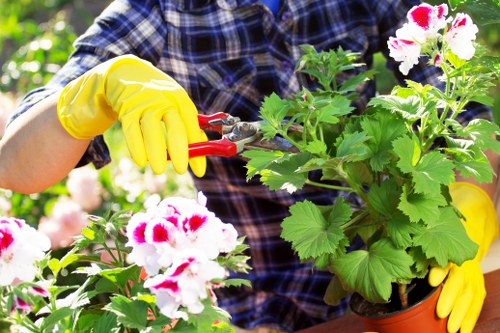 Gardening Battersea champions a practical, neighbourhood-centred approach to recycling and sustainability. Our eco-friendly waste disposal area is designed to reduce landfill, support a sustainable rubbish gardening area and keep Battersea's green spaces thriving. We combine practical on-site systems with collaboration across the borough so that every branch clippings, soil shift and compost heap contributes to a low-carbon circular flow. Recycling and reuse are at the heart of our work — from reprocessing green waste into compost to diverting building materials for upcycling.
We have set an ambitious recycling percentage target to measure progress: a 65% diversion of garden and related waste from landfill within five years, with interim milestones reported annually. That target covers green waste, woody materials, pots and broken timber, along with recyclable containers used on site. The percentage target aligns with local council recycling ambitions and complements the boroughs' approach to waste separation, which emphasises segregating food and organic waste from dry mixed recycling and glass.
 Our site works closely with local transfer stations to keep materials moving efficiently and transparently. We use nearby facilities including the Wandsworth Household Recycling Centre and neighbouring transfer centres for processing bulky garden waste and wood chippings. These partnerships shorten haul distances, cut emissions and ensure that green waste is routed to commercial composting or anaerobic digestion where appropriate. We prioritise certified transfer stations that follow high environmental standards.
Gardening Battersea also builds strong relationships with charities and community groups to maximise reuse. We donate surplus soil, potted plants and usable tools to local community gardens and charities, and partner with social enterprises that recondition equipment for reuse. Working with these organisations helps reduce waste, supports local causes and extends the lives of gardening resources. Our collaboration model includes scheduled drop-offs to charity partners and coordinated collections for items that can be restored rather than discarded.
 Our operational fleet reflects a low-carbon commitment. We operate low-carbon vans and use electric vehicles and hybrid models where possible, alongside cargo bikes for short trips within Battersea. Fleet routing is optimised to reduce mileage, and charging infrastructure is being expanded to support a zero-emission transition. This reduction in transport emissions is a key part of creating an eco-friendly waste disposal area that minimises its carbon footprint from doorstep collection to transfer station delivery.
On-site measures in our sustainable rubbish gardening area include dedicated compost bays, a green waste shredder for creating mulch, and clearly labelled containers for segregated streams. We use permeable surfaces to manage runoff, covered storage to reduce contamination, and signage that reflects boroughs' separation guidance so volunteers and staff follow the same standardised sorting rules used across neighbouring councils. These systems support high-quality recycling outputs and safer, cleaner workspaces.
Operational Practices and Community Engagement
Monitoring and reporting are central to meeting our recycling goals. We track weight and destination for all major waste streams, publish progress summaries, and adjust practices based on performance. Community training and volunteering events help residents and partners understand how the boroughs' approach to waste separation works in practice — from separating organics to identifying recyclable plastics and metals. Education reduces contamination and improves the value of materials we send for recycling.
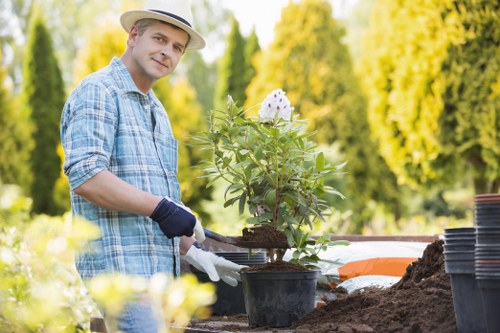
What We Recycle and How
Our sustainable rubbish gardening area facilitates a range of recycling activities relevant to Battersea:- Green garden waste composting — trimmings, leaves and hedgerow cuttings turned into soil improver.
- Wood recycling — branches and pallets chipped for mulch or biomass use.
- Container and plastic recycling — clean pots and plant trays sorted into mixed recycling streams.
- Tool and equipment reuse — serviceable items redistributed to charity partners or community projects.
- Soil reuse and remediation — tested soils retained for future beds where contamination is not an issue.
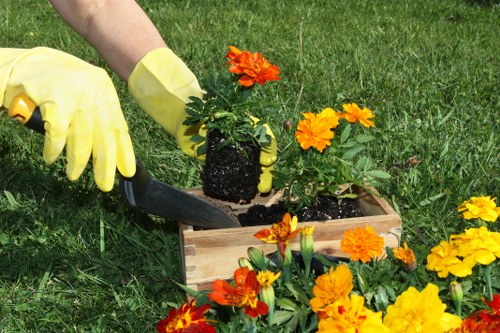 In closing, Gardening Battersea's approach to recycling and sustainability is practical, measurable and community-focused. We combine a clear recycling percentage target with strong local partnerships, use of local transfer stations, charity collaborations and a low-carbon vehicle fleet to create a truly sustainable gardening operation. By aligning with borough waste separation practices and investing in on-site infrastructure, we minimise waste, lower emissions and support the resilient reuse of gardening materials across Battersea.