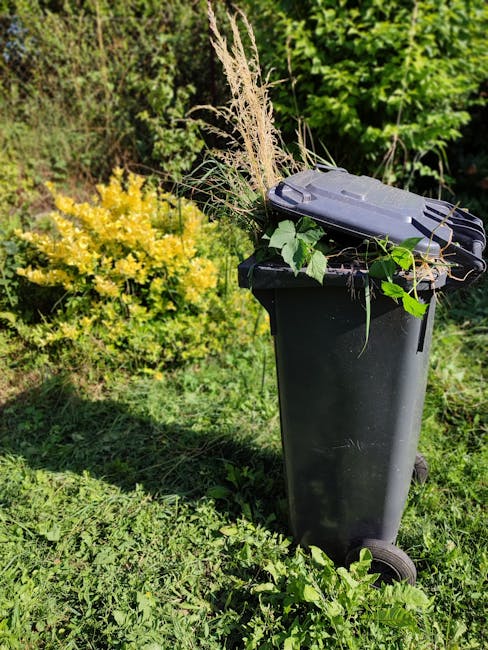
Wandsworth Council garden waste rules for Battersea homes
If you live in Battersea, garden waste can be one of those small jobs that suddenly becomes a faff. One week it is a tidy stack of hedge trimmings and lawn clippings; the next, it is a full bin, a heap of branches, and a council collection day you nearly missed. Understanding the Wandsworth Council garden waste rules for Battersea homes helps you stay compliant, avoid unnecessary mess, and keep your garden looking presentable without turning disposal into a weekend headache.
This guide explains how the rules usually work in practice, what Battersea homeowners need to watch for, and how to manage green waste sensibly whether you are trimming a small front garden, clearing a bigger back garden, or planning a more involved tidy-up. It also covers practical steps, common mistakes, and the kind of local know-how that saves time. Truth be told, that matters more than most people expect.
Contents
- Why the rules matter for Battersea homes
- How garden waste collection and disposal works
- Key benefits and practical advantages
- Who this is for and when it makes sense
- Step-by-step guidance
- Expert tips for better results
- Common mistakes to avoid
- Tools, resources and recommendations
- Law, compliance, standards, or best practice
- Options, methods, or comparison table
- Case study or real-world example
- Practical checklist
- Conclusion
- Frequently asked questions
Why Wandsworth Council garden waste rules for Battersea homes Matters
Garden waste sounds simple until it is not. Battersea homes vary wildly: compact terraces with a couple of planters, long rear gardens with dense hedging, maisonettes with shared access, and flats with small communal green spaces. In each case, the way you store, separate, and dispose of green waste affects how smoothly your garden maintenance runs.
The main reason the rules matter is practical. If you ignore collection requirements, mix garden waste with the wrong materials, or overfill bins, the result is usually delay, extra hassle, and sometimes extra cost. On a damp Monday morning after a windy weekend, that can mean bags sitting by the fence, torn open by foxes or scattered by rain. Not ideal.
There is also a wider sustainability angle. Garden waste is generally best handled separately from general rubbish because it can often be recycled or processed more efficiently when it stays clean and uncontaminated. That is where recycling-conscious garden upkeep becomes more than a nice phrase. It becomes the most sensible way to work.
For Battersea homeowners, these rules are especially relevant if you:
- have regular lawn mowing or hedge trimming
- undertake seasonal pruning in spring or autumn
- share bins with neighbours or a managed property
- have limited outside storage space
- book professional garden work and need waste handled correctly
And yes, the rules can feel a bit fiddly at first. But once you understand the basics, the whole process gets calmer.
How Wandsworth Council garden waste rules for Battersea homes Works
In plain English, garden waste rules cover how green waste should be separated, stored, and presented for collection or removal. The exact arrangements may vary depending on your property type, your collection setup, and whether you are using council services, private garden clearance, or a mix of both.
For most homes, the key idea is straightforward: keep garden waste as clean and as separate from other household waste as possible. That usually means grass cuttings, leaves, twigs, hedge trimmings, and similar organic material should not be mixed with rubble, plastics, food waste, or general black-bin rubbish. Mixed waste is harder to process and often causes problems at collection time.
If you are arranging regular upkeep, services such as garden maintenance and lawn mowing can reduce the amount of waste that builds up in the first place. That is especially helpful in smaller Battersea gardens where storage space is limited and bin access is awkward.
Garden waste management usually falls into one of these practical patterns:
- Routine weekly or fortnightly upkeep - small amounts of grass cuttings, dead leaves, and light pruning.
- Seasonal clean-up - heavier waste after a hedge cut, border overhaul, or tree pruning.
- One-off garden clearance - a larger volume of waste after an overgrown garden has been cut back or a property has been prepared for sale or letting.
When the job is bigger than a standard tidy, a dedicated garden clearance service often makes more sense than trying to manage it in stages with household bins. You avoid overflow, repeated trips to disposal points, and the awkward pile of branches leaning against the shed for three weeks. We have all seen that sort of thing.
There is another important point: bulky woody material is not the same as soft green waste. Branches, thick stems, and trunk sections usually need a different handling approach. If your garden work involves mature shrubs or small tree removal, it can be worth looking at tree lopping and removal so the cutting and disposal are planned together.
Key Benefits and Practical Advantages
Following the correct garden waste approach is not just about avoiding mistakes. It genuinely makes day-to-day life easier. Here is where Battersea homes benefit most.
- Less mess at home. Waste is removed faster, so patios, paths, and access routes stay clear.
- Better hygiene and tidiness. Old clippings and damp leaves can become slippery or attract pests if left to sit.
- More efficient gardening. When waste is separated properly, routine jobs like hedge trimming and mowing take less time to finish.
- Improved kerb appeal. Neat outdoor spaces matter in Battersea, especially for homes with front-facing gardens or visible entrances.
- Reduced frustration. Fewer rejected collections, fewer overflow bins, fewer "I'll deal with it next weekend" moments.
There is also a financial side to this, although not everyone thinks about it straight away. If you manage waste well, you are less likely to need emergency clearances, rushed disposal, or multiple visits. Choosing the right approach early on can be cheaper than dealing with a bigger problem later.
Practical takeaway: if your garden job will create more than a few bin bags of waste, plan the disposal before the cutting starts. It is far easier than trying to retrofit a solution when the pile is already there.
If you want a broader view of the services that help keep garden waste under control, the services overview is a useful place to start. It gives you a sense of how routine upkeep, clearance, and landscaping-related work fit together.
Who This Is For and When It Makes Sense
Not every Battersea home needs the same solution. The right approach depends on how much green waste you produce, how often you garden, and how much space you have to store or separate it.
This topic is most relevant if you are:
- a homeowner with a small but regular garden to maintain
- a landlord or property manager trying to keep outdoor areas tidy between tenancies
- a resident with a shared courtyard, side return, or communal planting area
- a busy family who only gets around to proper gardening a few times a year
- someone preparing for landscaping work, hedge reduction, or a seasonal cut-back
It makes sense to pay close attention when you are doing one of the following:
- cutting back overgrown hedges
- removing a lot of ivy, climbers, or invasive growth
- sorting out a garden after winter damage
- clearing a bed before replanting or redesigning the space
- disposing of material after installing decking or other outdoor features
For example, if you are improving an older Battersea garden and adding new surfaces, the waste stream changes. Soil, old timber, roots, and plant matter all need different handling. In that case, it can help to combine planning with landscaping support or even decking services if the project includes structural changes outside. Better to think it through at the start than have a half-finished corner of the garden cluttered with broken sleepers and a very unhappy-looking pile of roots.
Step-by-Step Guidance
If you are trying to stay on top of garden waste rules without overcomplicating things, use this simple process.
1. Separate green waste from everything else
Put grass, leaves, hedge trimmings, and plant cuttings in one group. Keep plastics, cans, soil-heavy debris, and general household rubbish out of that pile. Clean separation reduces problems later.
2. Work out how much waste you will actually generate
A light tidy and a full hedge reduction are not remotely the same. Estimate the volume before you start cutting. If in doubt, err on the side of caution. A job that looks small at first can balloon surprisingly quickly.
3. Decide whether bin collection is enough
For very small amounts, your normal garden waste arrangement may be enough. For repeated pruning, thick branches, or a full clear-up, you may need a more robust approach. That is where garden clearance can save a lot of time and backache.
4. Keep waste accessible
Do not bury bags behind bikes, bins, toolboxes, or a pile of old plant pots. Collection is smoother when the material is easy to move. In Battersea's tighter properties, access can be the difference between a tidy finish and a blocked side passage.
5. Use the right containers
Strong sacks, reusable bags, or bins should be suitable for the weight and moisture content of the waste. Wet grass gets heavy. Very heavy. If you have ever tried lifting a soggy bag of clippings after a rainy spell, you know exactly what I mean.
6. Book the right service for bigger jobs
When a garden has become tangled, overgrown, or simply too much to handle in one go, it is better to get help than to keep shuffling the same pile around. Services like hedge trimming, lawn mowing, and tree lopping and removal can be coordinated so the waste is dealt with properly at source.
7. Review the finish
Once the work is done, walk the garden and check for small scraps, loose twigs, or debris in corners and along fences. It takes five minutes and makes the whole place feel finished rather than half-done.
Expert Tips for Better Results
A few small habits make a surprisingly big difference.
- Tackle waste as you go. If you are pruning, clear in stages rather than leaving everything until the end. The pile never looks smaller on Sunday morning, let's put it that way.
- Mix routine care with bigger jobs. Regular maintenance reduces the need for large-scale disposal later. That is one reason some Battersea households prefer planned garden maintenance rather than sporadic heavy cutting.
- Cut back before material gets woody. Soft green growth is easier to collect and process than old, brittle stems.
- Keep soil separate. Soil, rubble, stones, and hardcore should usually be treated differently from pure garden waste.
- Think about weather. Damp waste gets heavier, smellier, and messier. If possible, organise collection before a long wet spell turns bags into bricks.
One small but useful trick: if you are planning a bigger garden refresh, store waste bags away from access routes until collection day, not by the front step where they get in the way. Sounds obvious, but people forget. Everyone does.
It can also be wise to think about sustainability alongside convenience. Where feasible, less waste is better waste. Regular mowing, selective pruning, and sensible planting design all reduce how much gets removed in the first place. For Battersea gardens, where every square metre counts, that is a genuinely practical design decision.
Common Mistakes to Avoid
This is where many people trip up. Usually not because they are careless, just because garden waste feels like a low-stakes job until the bags start overflowing.
- Mixing waste types. Putting plastics, rubble, and green cuttings together makes disposal harder.
- Overfilling bags or bins. Wet garden waste is heavy. Too heavy. Easy to underestimate, hard on the back.
- Leaving waste out too early. Bags split, get blown about, or become a nuisance to neighbours.
- Ignoring bulky material. Branches and thick stems often need a different plan from grass clippings.
- Trying to do a full clearance with the same approach as a weekly tidy. That usually ends in frustration.
- Forgetting access issues. Narrow passages, locked gates, and shared entrances all affect how waste can be removed.
Another one: assuming all garden waste can be managed the same way. It cannot. A few lawn clippings are one thing; a heap of laurel cuttings after hedge reduction is another. If you are unsure, step back and look at the whole job before you start.
Tools, Resources and Recommendations
You do not need a van full of gear to manage garden waste well, but a few practical tools make life easier.
- Sturdy garden waste sacks for light to moderate green waste
- Wheelbarrow or garden trolley for moving cuttings without repeated lifting
- Hand shears and loppers for cleaner cuts and smaller debris
- Rake and leaf grabbers for quick collection after mowing or pruning
- Tarpaulin for gathering waste in one place before loading or stacking
- Secateurs for trimming back smaller growth cleanly rather than ripping it off
If you want help deciding what level of service suits your garden, the pricing and quotes page can help you think through the scale of work. For broader reassurance about how work is carried out safely and responsibly, it is also worth reading the site's health and safety policy and insurance and safety information.
For environmentally minded homeowners, the recycling and sustainability page is a useful reminder that waste decisions are part of the wider garden plan, not just a final clean-up chore.
Law, Compliance, Standards, or Best Practice
Garden waste handling touches on basic household compliance and local collection expectations. The safest approach is to follow the current collection guidance for your property and keep waste streams clean, separated, and accessible. If you are using a professional service, make sure the work is done in a way that supports lawful disposal and sensible environmental practice.
In practical terms, that means:
- not putting restricted materials into green waste collections
- keeping waste within reasonable container limits
- avoiding blocked pavements, shared entrances, or escape routes
- making sure larger clearance jobs are handled by an appropriate service
For homes in Battersea, shared access is the big one. Many properties have tight front gardens, side returns, or communal areas where rubbish can create safety issues quickly. Best practice is simply to plan ahead and keep pathways clear. A garden that looks tidy but blocks a gate is not really tidy at all.
There is also a duty of care element in the wider sense: waste should be managed responsibly, and if a contractor is involved, you want confidence that they are working cleanly and safely. That is why service standards matter as much as the final appearance.
Options, Methods, or Comparison Table
Different homes need different methods. Here is a simple comparison to help you choose.
| Method | Best for | Strengths | Limitations |
|---|---|---|---|
| Routine garden waste bin use | Small, regular amounts | Simple, low effort, convenient | Not ideal for bigger clear-ups or bulky material |
| DIY bagging and staged disposal | Moderate volumes after light pruning | Flexible and inexpensive if you already have the tools | Time-consuming, messy in wet weather, access issues can slow you down |
| Professional garden clearance | Large or overgrown gardens | Fast, tidy, reduces lifting and sorting stress | Usually costs more than doing it yourself |
| Planned maintenance service | Homes that need ongoing care | Prevents waste build-up, keeps the garden under control | Requires regular scheduling |
If you are on the fence, think about frequency first and volume second. A little waste every week is a maintenance issue. A huge pile twice a year is a clearance issue. The job decides the method, not the other way around.
Case Study or Real-World Example
Imagine a Battersea terrace with a modest rear garden: a narrow lawn, a row of shrubs, and one very enthusiastic hedge along the back fence. In spring, the hedge gets trimmed, the lawn is mown, and the borders are cleared. At first glance it looks like a straightforward tidy-up.
Then the cuttings start to pile up. The grass is light but bulky. The hedge trimmings are springy and awkward. A few thicker branches from the old shrub at the corner are heavier than expected. Before long, there is more waste than the household bin can sensibly handle, and the side access is too tight for repeated trips in and out.
In that kind of situation, a mixed approach works best. Routine upkeep handles the lawn and smaller cuttings. A targeted clearance deals with the hedge waste and any woody material. If the garden is being redesigned at the same time, landscaping work can be sequenced so waste comes off the site in stages rather than all at once.
The key lesson? Do not wait until the garden is already cut to decide how you will remove the waste. That is where stress creeps in. Plan first, trim second. A boring little rule, maybe, but a very useful one.
Practical Checklist
Use this before and after any garden job in Battersea.
- Have I separated green waste from general rubbish?
- Do I know roughly how much waste the job will produce?
- Will my normal collection setup be enough?
- Are there branches, roots, or heavy stems that need special handling?
- Is there clear access for bags or removal equipment?
- Have I left pathways, gates, and entrances clear?
- Am I storing waste somewhere it will stay dry and contained?
- Do I need routine maintenance or a one-off clearance?
- Have I checked whether the work should be split into stages?
- Have I booked help if the garden is more than I can reasonably manage alone?
If you can tick most of those off, you are usually in good shape.
Conclusion
The Wandsworth Council garden waste rules for Battersea homes are easier to manage when you treat them as part of your overall garden routine rather than a last-minute disposal problem. Keep waste separate, know your volume, plan for access, and choose the right method for the scale of work. That simple approach saves time, reduces mess, and makes outdoor spaces feel calmer all year round.
For many Battersea households, the real win is not just compliance. It is having a garden that is easier to live with. Neat borders, a manageable lawn, no awkward piles by the gate, and no Saturday spent wrestling damp clippings into overfilled bags. That is a better weekend, frankly.
If you are weighing up garden upkeep, clearance, or a larger outdoor project, explore the relevant service pages and see which approach fits your home best. A little planning now can spare a lot of rushing later, and the garden usually feels better for it.
Get a free quote today and see how much you can save.
Frequently Asked Questions
What counts as garden waste in Battersea homes?
Garden waste usually includes grass cuttings, leaves, weeds, hedge trimmings, small branches, and other plant material from routine maintenance. It does not normally include household rubbish, rubble, plastics, or contaminated waste.
Can I put soil in my garden waste bin?
Soil is often handled differently from loose green waste because it is heavy and behaves more like inert waste. If you have a lot of soil from digging, replanting, or landscaping, it is usually better to check the correct disposal route before mixing it in.
What should I do with thick branches and woody cuttings?
Thick branches and woody stems can be awkward in a standard collection setup. If the material comes from pruning or tree work, a service such as tree lopping and removal or a larger garden clearance is often the cleaner solution.
How do I know if my garden waste is too much for normal collection?
If you are producing several large bags, have bulky branches, or are dealing with an overgrown garden that needs major cutting back, the job is probably beyond a routine collection. In that case, a more structured clearance approach is usually better.
Is it better to hire help for regular maintenance or only for big jobs?
That depends on how fast your garden grows and how much time you have. Some Battersea homeowners do fine with occasional DIY work, while others prefer ongoing garden maintenance because it keeps waste levels low and the garden easier to control.
Can I mix grass cuttings with hedge trimmings?
Yes, they are both green waste, but they behave differently once bagged. Grass gets wet and heavy quickly, while hedge trimmings take up more space. Mixing them is fine as long as the final load stays manageable and clean.
What is the most common mistake people make with garden waste?
The biggest mistake is underestimating the volume. A tidy-up that looks small at the start can turn into far more waste than expected once pruning begins. That is why planning first matters so much.
Do I need a garden clearance service if I only have a small Battersea garden?
Not always. Small gardens often only need routine care. But if you have let things build up, or if you are dealing with a one-off seasonal cutback, a garden clearance service can still be the easiest option even in a compact space.
How can I reduce the amount of garden waste I create?
Regular mowing, light pruning, and keeping hedges in shape all help. You can also avoid overcutting in one session. Small, consistent maintenance usually creates less waste than letting growth run wild and dealing with it later.
What if I share outdoor space with neighbours?
Shared access needs a bit more care. Keep waste out of common paths, agree on collection timing where needed, and make sure nothing blocks entrances or creates a trip hazard. A little coordination goes a long way.
Where can I find more help with sustainable garden care?
For Battersea homes, it is worth looking at a combination of recycling and sustainability guidance, routine maintenance, and the right clearance service when needed. The aim is to keep the garden tidy without creating avoidable waste in the first place.
Is it worth combining pruning, mowing, and clearance in one visit?
Often, yes. If the garden needs several jobs at once, combining them can be more efficient and may reduce repeat visits. It is especially sensible when access is tight or you want the waste removed in one clean sweep rather than in stages.
A well-kept Battersea garden does not need to be complicated. Clear the waste properly, keep the routine steady, and the whole space becomes easier to enjoy. That is really the heart of it.