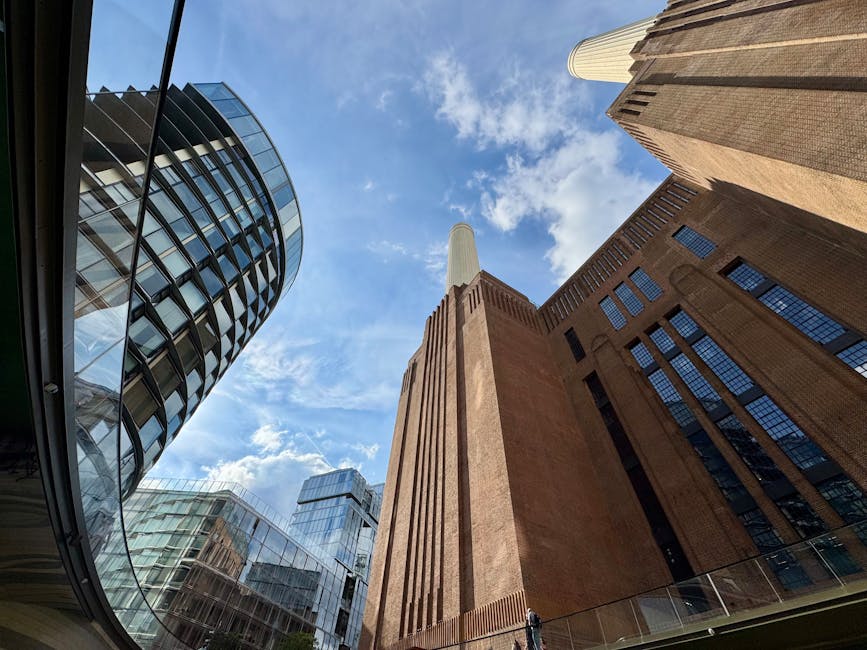
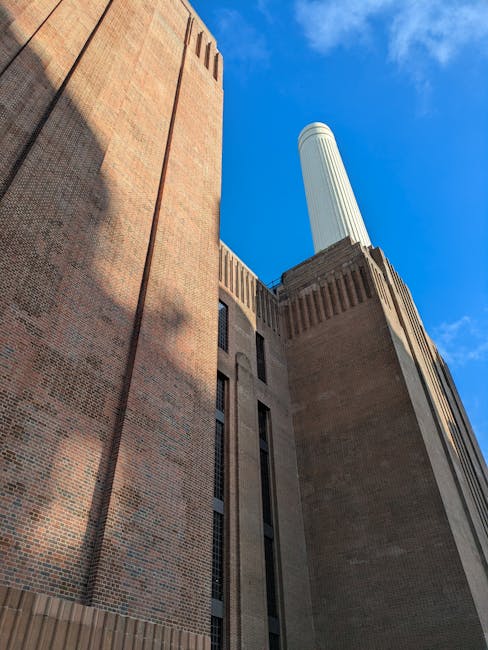
Top Battersea Power Station gardeners for compact terrace gardens
If you live near Battersea Power Station, you already know the charm and the challenge: beautiful urban living, but not always a lot of outdoor space. A compact terrace garden can feel like a postage stamp in winter and a private sanctuary by June. The right Top Battersea Power Station gardeners for compact terrace gardens understand that tiny spaces need smarter planning, not bigger ambitions. They know how to make a narrow terrace feel calm, layered, and genuinely usable without cluttering it up.
This guide is for anyone looking at a small terrace and thinking, "Right then, how do I make this work?" We'll cover what specialist gardeners actually do, how they approach limited space, what makes a good result, and how to avoid the classic mistakes that waste time and money. You'll also find a practical checklist, a comparison table, and a realistic example that should help the picture come together. No fluff. Just useful, local, real-world guidance.
Key takeaway: compact terrace gardens work best when design, planting, maintenance, and safety all pull in the same direction. In a busy Battersea setting, that usually means clean structure, resilient planting, and a plan that suits your day-to-day life rather than an idealised magazine spread.
Why Top Battersea Power Station gardeners for compact terrace gardens Matters
Compact terrace gardens look simple from the street, but they can be tricky in practice. Space is tight, sunlight is often partial, and there's usually a mix of surfaces, privacy needs, and wind exposure. Add containers, seating, pets, and the occasional barbecue, and suddenly the garden has to work very hard.
That is exactly why specialist gardeners matter. A general tidy-up can make a terrace look neat for a week or two. A thoughtful plan, by contrast, can improve how the space feels every day. The best gardeners think in layers: height, depth, movement, watering, drainage, and how you'll actually use the area from month to month. Simple idea. Big difference.
Near Battersea Power Station, outdoor spaces often need to feel both polished and private. Some terraces are exposed to traffic noise or wind funnelled between buildings; others sit in shaded corners and never quite dry out. A good local gardener notices those things fast. They won't just say, "Let's put some plants here." They'll ask where the evening sun lands, where water pools after rain, and whether you want a social space, a quiet escape, or a bit of both.
To be fair, many compact gardens fail for one of two reasons: they are overpacked, or they are underused. A skilled gardener helps you avoid both. They create enough structure to make the space feel intentional, but leave breathing room so it doesn't become a jungle of good intentions.
If you want to understand the full scope of what a professional team can handle, the services overview is a sensible place to start. It gives you a clearer picture of the kind of support that can be adapted for smaller terraces, balconies, and shared outdoor areas.
How Top Battersea Power Station gardeners for compact terrace gardens Works
The process usually starts with observation, not action. That may sound obvious, but it's where many jobs go wrong. A good gardener will look at the terrace from several angles and ask what the space needs to do, not just what it looks like today. Are you trying to host friends? Grow herbs? Hide an awkward boundary? Reduce maintenance? All of those answers shape the design.
From there, the work often follows a practical sequence:
- Space assessment - measuring available floor area, checking access, noting sun and shade, and identifying drainage issues.
- Needs mapping - deciding how much of the terrace should be for sitting, planting, screening, or easy movement.
- Planting strategy - choosing plants that suit containers, partial shade, wind, and the amount of care you can realistically give.
- Structure and layout - using planters, trellis, screens, raised beds, or vertical features to create a sense of depth without crowding.
- Maintenance plan - setting out watering, feeding, trimming, and seasonal refresh tasks so the garden stays tidy and healthy.
That last bit is important. The prettiest terrace in spring can become a bit scruffy by late August if the maintenance plan is vague. And honestly, if nobody has time for weekly deadheading or checking containers, the design needs to work harder from the start. Good gardeners plan for real life, not just the first photo.
In a Battersea context, compact gardens often benefit from restraint. Fewer plant types, stronger repetition, and well-chosen containers tend to look more elegant than a mixed bag of random pots. The best results usually come from repetition with variation: a few standout plants, echoing materials, and one or two focal points that help the eye settle.
Key Benefits and Practical Advantages
Hiring the right gardener for a small terrace is not just about making things look nice. It can improve how the whole property feels. That sounds like a big claim, but on a compact terrace it's true more often than not.
1. Better use of space
Good planning makes every square metre count. A narrow terrace can feel wider with the right layout, especially when planting is used to guide movement rather than block it.
2. Less maintenance stress
Resilient planting, sensible containers, and a realistic watering routine reduce the feeling that the garden is "always needing something." That alone is worth a lot. Let's face it, no one wants another chore list growing at the same pace as the rosemary.
3. Stronger privacy
Compact terraces often benefit from layered screening using climbers, trellis, tall pots, or evergreen structure. The aim is privacy without making the space feel boxed in.
4. Better seasonal interest
A well-designed small garden can look alive all year. Evergreen structure, winter stems, spring bulbs, and summer texture all help. It doesn't have to be showy all the time. It just needs to feel considered.
5. Improved property presentation
A tidy terrace can lift the feel of an entire home, especially when viewed from doors, windows, or adjacent living spaces. Small garden design often has an outsized impact indoors too.
6. Safer and neater outdoor living
Terrace gardens often carry practical risks: slipping on wet surfaces, unstable pots, poor drainage, and overcrowded walkways. A good gardener spots those issues early and keeps the layout sensible.
Expert summary: the real value of a compact terrace garden is not how much you fit into it, but how comfortably it works. The best gardens feel easy to live with, easy to maintain, and pleasant to step into first thing in the morning.
Who This Is For and When It Makes Sense
This kind of service makes sense for a wide range of homeowners and tenants, especially in a dense area like Battersea where outdoor space is precious. It's not only for people with grand plans or deep planting knowledge.
You may need a specialist gardener if:
- your terrace feels too small, too plain, or hard to use
- you want more privacy from neighbouring flats or shared spaces
- your existing pots and plants are looking tired or uncoordinated
- you are often away and need a low-maintenance setup
- the garden gets wind, shade, or awkward pockets of sunlight
- you want a calmer, more refined look without losing functionality
It also makes sense if you are preparing a property for sale or rent and want the terrace to feel like an asset rather than an afterthought. Even a small outdoor area can influence first impressions. Not always dramatically, but enough that people notice.
Families tend to want a robust, flexible terrace that can handle muddy shoes, toys, and weekend breakfasts. Professionals often want a cleaner, low-maintenance space that still feels green at the end of a long day. Couples and solo residents often lean toward atmosphere: somewhere to sit with coffee, a book, or a glass of something cold on a warm evening.
And if you are thinking, "Can a tiny terrace really be transformed?" the answer is yes, usually more than people expect. Not into a country garden. That would be daft. But into something genuinely lovely and useful? Absolutely.
Step-by-Step Guidance
If you are planning a compact terrace garden project, here's the simplest way to approach it without getting overwhelmed.
1. Start with how you want to use the space
Before choosing plants, decide what the terrace must do. Sit two people comfortably? Hold a few larger pots? Give you a privacy screen? Make room for a folding table? Write it down. One minute of clarity saves a lot of rework later.
2. Measure the real usable area
Don't guess. Measure width, depth, and where doors open, bins sit, or pathways need to stay clear. A terrace can look larger or smaller than it is, especially on a drizzly afternoon when everything seems a bit tighter.
3. Identify light, wind, and drainage
These three things decide whether your planting thrives or struggles. A south-facing terrace may get intense sun and dry pots quickly. A shaded corner can stay damp and need tougher, leafier plants. Windy roofs and elevated terraces need more stable containers and lower, denser planting.
4. Choose a layout before choosing lots of plants
Place the main furniture or feature first. Then add screening, then planting. This order keeps the design coherent. If you start with too many individual plants, the result can feel like a shop display rather than a garden.
5. Build in vertical interest
Small spaces need height. Climbing plants, wall-mounted planters, tall narrow pots, and slender trellis panels all help create depth without stealing too much floor space.
6. Keep a maintenance routine realistic
If watering is a pain, choose drought-tolerant options where possible. If you dislike constant deadheading, prioritise structural evergreens and long-flowering species with lower fuss. The best garden is the one you'll actually maintain. Harsh but true.
7. Review the garden after the first season
Many terrace gardens improve after one full cycle of use. You learn where the sun actually lands in July, which corner stays empty, and which plant was a bit too enthusiastic. That's normal. Good gardeners expect this and adapt.
If you want support with planning, pricing, or scope, take a look at the pricing and quotes page so you can understand how services are usually approached before you commit. That tends to make conversations easier, and less guessy, which is no bad thing.
Expert Tips for Better Results
Here are a few things experienced gardeners tend to do instinctively, but they make a huge difference on compact terraces.
- Use repetition. Repeating a small number of plants or container styles creates calm. Too much variety can feel noisy.
- Choose containers with purpose. A mix of sizes is fine, but keep the materials and colour palette coherent.
- Leave negative space. Empty space is not wasted space. It gives the eye somewhere to rest and makes the whole garden feel bigger.
- Think about views from inside. If you can see the terrace from a kitchen or living room, frame that view carefully. It changes the feel of the room.
- Use scent sparingly. One or two scented plants near a seating area can be lovely. Too many and the effect becomes muddled.
- Protect edges and corners. These are often the places where small gardens feel unfinished. A smart pot or climber can turn a dead corner into a feature.
One small practical tip: avoid making every plant "the star." That's where compact terraces start to wobble visually. A better approach is to choose one or two focal points and let the rest support them. Quiet confidence beats clutter every time.
If sustainability matters to you, see how the team approaches greener practices via the recycling and sustainability page. Compact gardens often generate less waste overall, but materials, soil disposal, and re-use still matter.
Common Mistakes to Avoid
Small terraces can go wrong quickly because every design decision is magnified. Here are the mistakes that come up again and again.
Overcrowding the space
It is tempting to cram in one more pot, one more chair, one more feature. Then the terrace starts to feel boxed in. A small garden should breathe.
Ignoring watering needs
Containers dry out faster than many people expect, especially in sun or wind. If there is no watering plan, the garden will suffer, sometimes quietly at first, then all at once.
Choosing plants for the label rather than the site
A plant can be beautiful and still be wrong for your conditions. Shade, exposure, and container depth matter more than the shop description suggests.
Using too many materials
Too many finishes can make a terrace look fussy. A restrained palette tends to age better and feel more premium.
Forgetting access and movement
Can you open the door easily? Can you carry a tray through without sidestepping three pots? If not, the layout needs another look.
Skipping structural planting
Seasonal flowers are lovely, but without evergreen or architectural support, a terrace can look bare for half the year. That's a shame, really.
Tools, Resources and Recommendations
You do not need a shed full of specialist kit to get a compact terrace in good shape, but a few tools and habits make life much easier.
- Measuring tape - essential for planning container sizes and access routes.
- Watering can or hose setup - choose something that works for your routine, not against it.
- Pruning shears - useful for small maintenance jobs and shaping climbers.
- Quality compost and container mix - terrace plants rely heavily on the growing medium.
- Stable containers - especially important in exposed settings where pots can tip or shift.
- Plant supports and trellis - ideal for vertical gardening and privacy.
- Protective gloves - basic, but worth having. Thorny stems do not care how busy you are.
For service planning and what is typically included in professional support, you may also find the services overview helpful. It can make it easier to compare what you need against what you already have in place.
And if you want to understand who you are dealing with, the about us page is useful for getting a feel for the team's values and approach. Small detail, but it matters when someone is working right outside your home.
Law, Compliance, Standards, or Best Practice
For compact terrace gardens, compliance is usually less about red tape and more about sensible practice. That said, a professional gardener should still work carefully and responsibly, particularly in a built-up London setting.
Here are the main things to think about:
- Safety around tools and access - pathways should remain clear, heavy pots should be positioned securely, and lifting should be done sensibly.
- Boundary awareness - plants should be chosen and placed so they do not become a nuisance to neighbours or block shared access.
- Waste handling - old soil, broken pots, and green waste should be managed responsibly, with recycling where appropriate.
- Property considerations - if a terrace is part of a leasehold, shared building, or managed development, there may be practical rules about fixtures, screens, or maintenance access.
- Insurance and reassurance - it is wise to ask whether the provider has appropriate cover and safety processes in place.
This is where professional habits really show. A competent team should be able to explain how they work safely, how they handle site risks, and how they protect both the client and the property. If you want a closer look at those expectations, the insurance and safety page is a sensible reference point.
You can also review their health and safety policy for a clearer sense of the standards they aim to maintain. It is not the glamorous part of gardening, but it is one of the parts that tells you a lot.
For payment expectations and practical reassurance before booking, the payment and security information can help reduce uncertainty. And if you value transparency in service terms, the terms and conditions page is worth a read. Not exciting, admittedly, but useful.
Options, Methods, or Comparison Table
Not every compact terrace needs the same approach. Here is a simple comparison to help you decide which style fits your space and lifestyle.
| Approach | Best for | Pros | Watch-outs |
|---|---|---|---|
| Container-led design | Very small terraces, renters, flexible layouts | Easy to adjust, low commitment, quick visual impact | Can dry out quickly; needs regular watering |
| Structural planting with climbers | Privacy and vertical interest | Creates height without using floor space | Needs support, pruning, and patience while plants establish |
| Low-maintenance evergreen scheme | Busy homeowners, second homes, simple upkeep | Looks neat through more of the year, easier to maintain | Can feel too plain without some seasonal colour |
| Mixed seasonal display | People who enjoy changing the look often | Colourful and flexible, good for personality | More upkeep, more replanting, more decision fatigue |
| Relaxed courtyard feel | Entertaining, dining, sitting outside | Comfortable, sociable, practical | Needs careful layout to avoid clutter |
In many cases, the sweet spot is a hybrid. A compact terrace often works best when it has one strong structural base, then seasonal planting on top. That way you get stability and interest. Simple enough, but easy to overlook when you are excited about plants.
Case Study or Real-World Example
Here's a realistic example. Imagine a narrow terrace close to Battersea Power Station with a paved floor, two chairs, a small table, and a few tired pots left from previous seasons. The space gets morning sun, then patchy shade later in the day. It feels neat enough, but not especially inviting.
A specialist gardener would likely start by clearing the weakest planting and deciding on one unifying theme. Perhaps the goal is a calm, modern look with a little softness. The layout might include:
- two or three larger containers instead of many small ones
- a slim trellis with a climbing plant for vertical interest
- evergreen structure near the boundary for year-round shape
- a couple of lower, textured plants to soften the hard edges
- one compact seating zone kept clear so the terrace feels easy to use
Once planted, the space would feel less like a collection of odds and ends and more like an outdoor room. Nothing flashy. Just better. You'd notice it in the evening when the light drops and the leaves start to catch the last bit of sun, or on a damp morning when the terrace still feels tidy instead of forgotten.
That is the quiet power of good compact garden work. It does not shout. It settles.
Practical Checklist
Use this checklist before hiring a gardener or starting a compact terrace project of your own.
- Have you measured the usable space carefully?
- Do you know how much sun, shade, and wind the terrace gets?
- Is the garden meant for relaxing, dining, planting, or all three?
- Have you chosen a realistic maintenance level?
- Are the containers stable and suitable for the site?
- Have you planned for drainage and watering?
- Is there enough clear space to move around comfortably?
- Have you included some vertical structure or screening?
- Do the plants suit your light conditions and available time?
- Have you checked practical service details such as pricing and quotes, insurance, and safety information?
- Do you know who to contact if you have questions? The contact us page is the right place to start.
If you tick most of those boxes, you are already ahead of the game. Really. A compact terrace is much easier to improve when the brief is clear.
Conclusion
The best Top Battersea Power Station gardeners for compact terrace gardens do more than plant flowers. They shape small spaces so they feel calm, useful, and easy to live with. In a busy part of London, that matters. A well-planned terrace can soften the hard edges of city life and give you a place to pause for a minute, even on a normal weekday.
If you remember only one thing, make it this: small gardens succeed when they are designed around real habits, not ideal ones. The right layout, the right plants, and the right maintenance plan can transform a terrace that once felt awkward into somewhere you actually want to spend time. And that, in the end, is the whole point.
Get a free quote today and see how much you can save.
For a better sense of the company behind the service, you can also review the about us page and the recycling and sustainability page. A thoughtful garden should feel good to live with, and good to stand behind too.
Frequently Asked Questions
What do Top Battersea Power Station gardeners for compact terrace gardens actually do?
They plan, plant, improve, and maintain small terrace spaces so they work better day to day. That can include layout advice, container planting, screening, pruning, seasonal refreshes, and general tidying tailored to tight urban spaces.
How is a compact terrace garden different from a normal garden?
A compact terrace garden has less room for error. Every pot, plant, and pathway matters more, so design needs to be more intentional. Height, drainage, and access tend to matter more than in a larger garden.
Can a small terrace still look private?
Yes, usually. Privacy can be improved with climbers, trellis, tall containers, and carefully placed evergreen planting. The trick is to screen without making the terrace feel boxed in.
What are the best low-maintenance plants for a terrace garden?
The best choice depends on the amount of sun, shade, and wind your terrace gets. In general, gardeners often favour resilient evergreen structure, tough container plants, and a limited number of seasonal additions rather than high-maintenance mixed displays.
How often do compact terrace gardens need watering?
That depends on weather, container size, and exposure. In warm or windy conditions, pots can dry out quickly, sometimes much faster than people expect. A proper watering routine is essential.
Is professional help worth it for a very small outdoor space?
Often, yes. Small spaces can be surprisingly difficult to plan well, and professional help can save money by preventing avoidable mistakes. A little expertise can make a compact terrace feel much more balanced and usable.
Can gardeners work with rented terraces or leasehold homes?
Yes, but the scope may need to be more flexible. In rented or leasehold settings, it is sensible to avoid permanent changes unless you have the right permission. Container-led and reversible solutions usually work best.
How do I choose between a full redesign and a simple tidy-up?
If the space already functions well and just looks tired, a tidy-up or planting refresh may be enough. If the layout feels cramped, awkward, or unused, a redesign is often the better long-term choice.
What should I ask before booking a gardener?
Ask about experience with small terraces, how they handle drainage and maintenance, whether they can explain their process clearly, and what their pricing structure covers. It also helps to check safety and service information before moving forward.
Do compact terrace gardens need special containers?
Not necessarily special, but they do need the right kind of containers. Stable, appropriately sized pots with decent drainage and a style that suits the space usually work best. Cheap-looking containers can undermine a beautiful design very quickly.
How long does it take to improve a small terrace garden?
Some improvements can be made in a day, especially with tidying and container changes. More developed terrace transformations may take longer, especially if climbers or shrubs need time to establish. A good garden often looks better after a full season.
Where can I find more details about service terms and booking?
You can review the terms and conditions, payment and security, and contact us pages for practical next steps and service information.